

Alopecia areata treatment for women
- Home
- Alopecia areata treatment for women
Alopecia areata treatment for women
What Triggers Alopecia Areata?
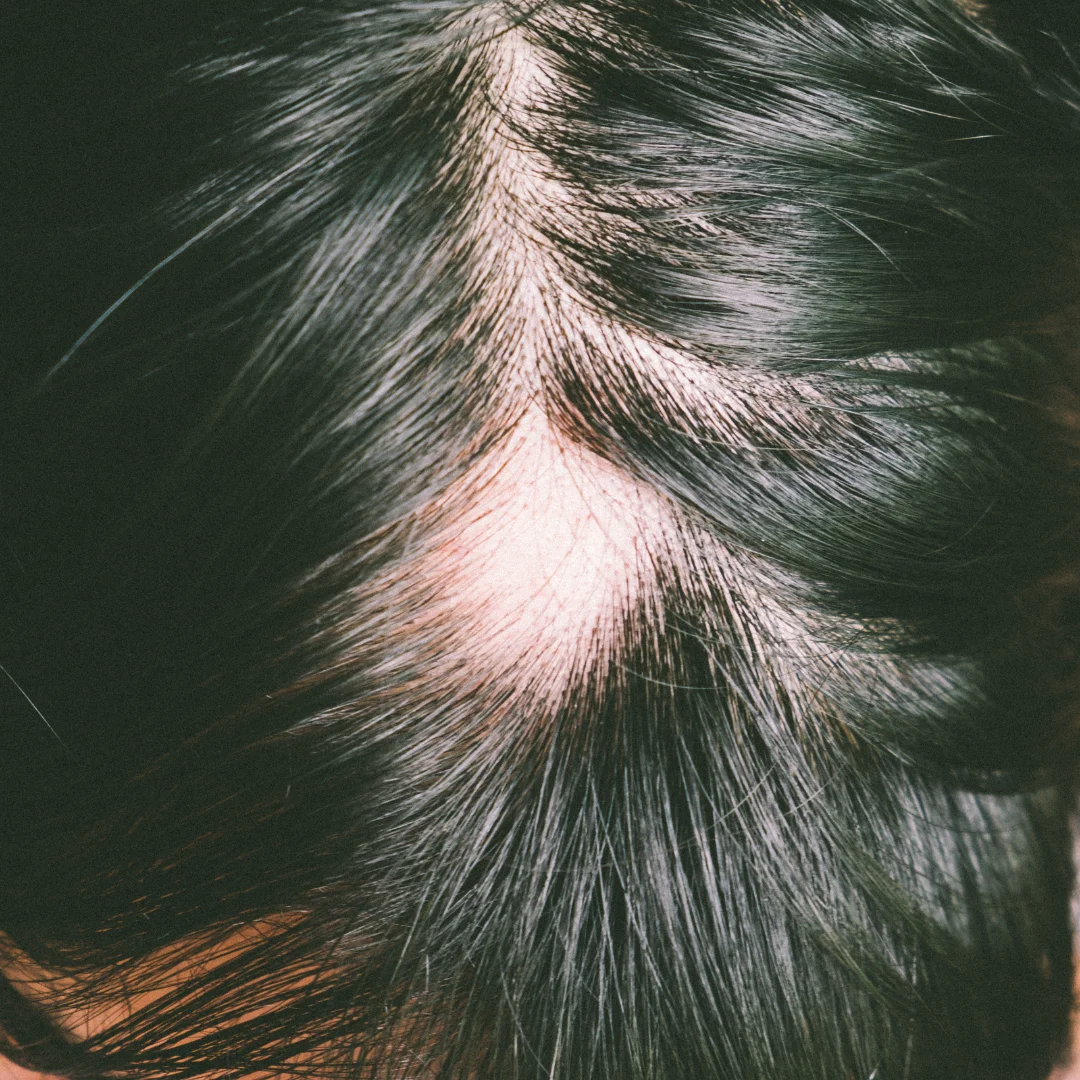
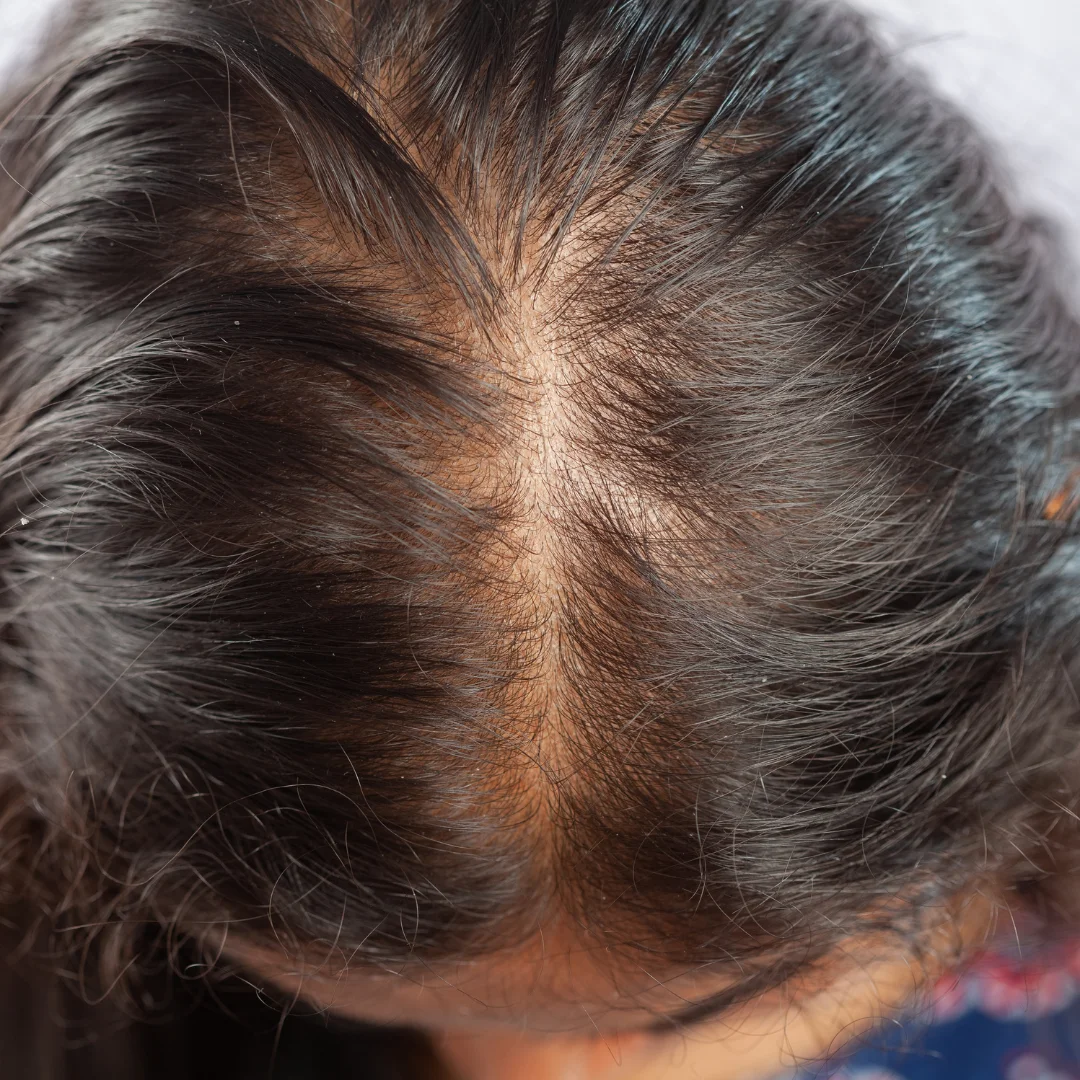
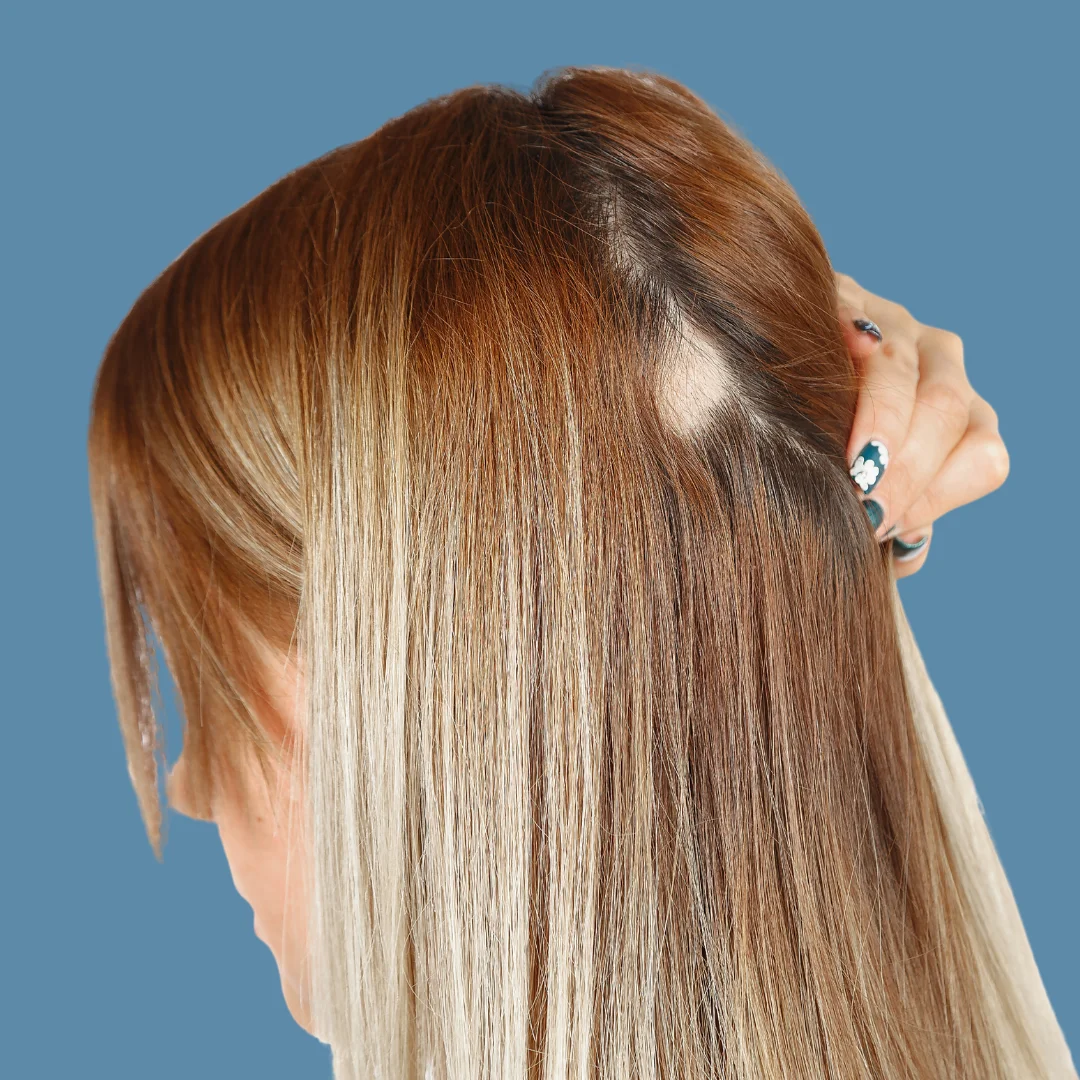
Alopecia areata is an autoimmune disease in which the body’s defense system mistakenly attacks the hair roots, causing an obvious loss of hair. It primarily attacks hair roots, resulting in heavy hair loss. Alopecia begins with smooth, round bald spots on the scalp or other areas of the body. Genetic factors, disorders of the immunological system, malnutrition, and gut problems are the causes of this.
Alopecia areata treatment for women
What Leads to Alopecia Areata?
To manage and treat this, we need a thorough Understanding of the underlying causes
Primary Reasons for Alopecia Areata are:
Genetics: Autoimmune diseases are on the rise due to genetics, which increases the risk of having the disease.
Immune system imbalance: If there is an overactive immune response, it may mistakenly target the hair follicles.
Stress and environmental triggers: The condition is likely to worsen if there is Emotional stress or physical stress.
Nutrients & gut health: Gut bacteria imbalance, along with low levels of iron, vitamin D, or zinc, may contribute to developing the condition.
Alopecia areata treatment for women
Different treatment options for Alopecia Areata
Immune-Modulating Treatments
The purpose of these treatments is to lessen the damage done to hair roots, which modulate the immune system and decrease future collateral damage.
Targeted Scalp Treatments
Intralesional Steroid Injections-This is a localized treatment, where corticosteroids are directly injected into affected bald patches. By this, the inflammation gets reduced often promotes regrowth in small, defined areas.
Advanced Regenerative Treatments-This approach enables hair to grow back naturally and damaged tissues to heal. These treatments are geared towards enhancing the health of the scalp, activating dormant follicles and ultimately support permanent hair revitalization.
FAQS
Frequently Asked Questions
Looking for Alopecia areata treatment? Contact us now!
What causes it / what are the triggers?
Alopecia areata is caused by an autoimmune reaction where the body’s immune system mistakenly attacks healthy hair follicles. This stops hair from growing and leads to patchy hair loss on the scalp or other parts of the body.
Common triggers include:
- Genetic factors (family history of alopecia or autoimmune conditions)
- Stress or emotional strain
- Hormonal changes
- Thyroid or other immune-related disorders
- Poor diet and overall health imbalances
What treatment options are offered?
At Prettiv Aesthenics, we offer treatments designed to reduce inflammation, calm the immune response, and stimulate hair regrowth. Options include:
- Topical medications to encourage new hair growth
- Corticosteroid injections to reduce immune activity around the follicles
- Oral or systemic medications for more widespread alopecia
- Laser therapy and advanced scalp treatments to improve blood flow and follicle health
- Lifestyle and nutrition guidance to support recovery and prevent relapses
Are there any side effects?
Most treatments are safe when carried out under medical supervision. Some mild side effects may occur, depending on the method:
- Redness, irritation, or dryness at the application site (topical creams)
- Mild discomfort or temporary sensitivity (injections or laser therapy)
- Rare systemic effects with oral medications, which are monitored closely by doctors
Our specialists assure treatments are customized to your condition and medical history, reducing the risk of side effects.
What is alopecia areata?
Alopecia areata is an autoimmune disorder that results in unexpected, patchy hair loss. It occurs when the immune system attacks hair follicles, slowing or stopping hair growth. The condition can affect only small areas or, in some cases, larger portions of the scalp or body.
While alopecia areata is not life-threatening, it can impact self-confidence. With modern medical treatments, many women see significant improvement in hair regrowth and long-term management of the condition.