

Male patterned baldness
- Home
- Male patterned baldness
Male patterned baldness
Male patterned baldness
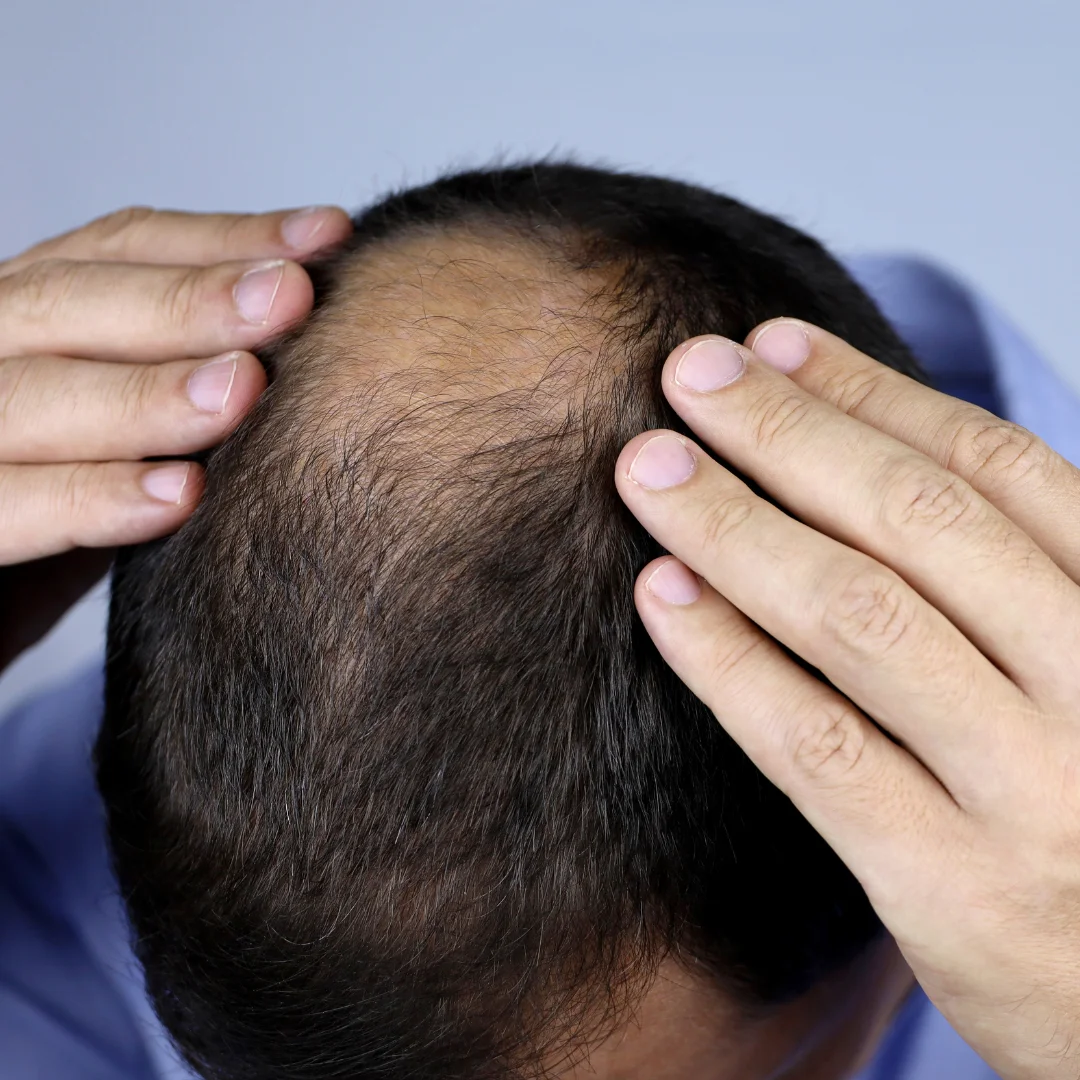
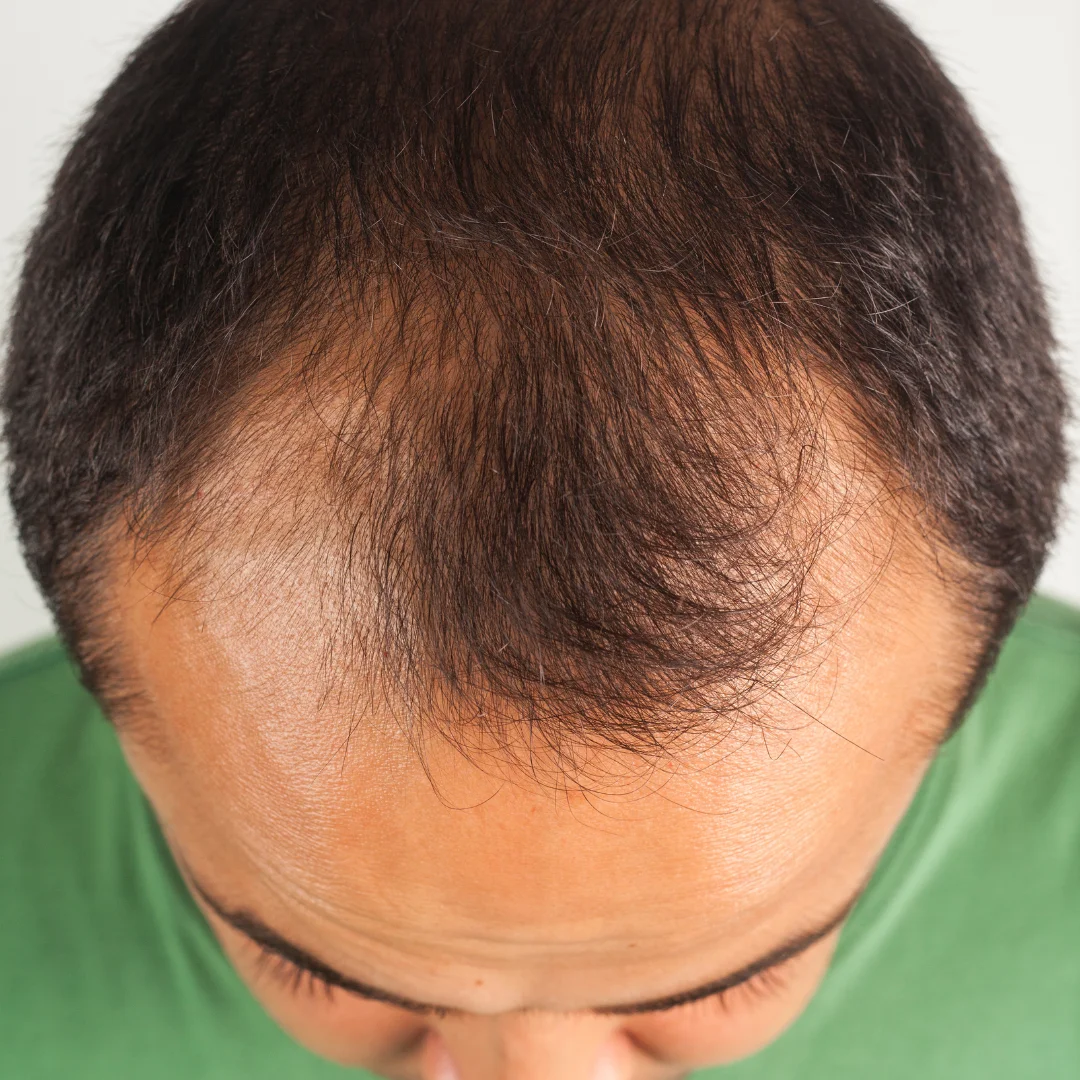
Male pattern baldness (or androgenetic alopecia) is the most common type of hair loss in men, affecting over 50% of men by age 50. Treatment options range from FDA-approved medications, such as minoxidil and finasteride, to advanced therapies including platelet-rich plasma (PRP), exosomes, stem cell treatments, hair transplants, and nutritional support with biotin, zinc, vitamin D, and omega-3 fatty acids.
Causes of Male Patterned Baldness
- Genetics
- Age
- Lifestyle & health factors
Male patterned baldness
FUE (Follicular Unit Extraction) Hair Transplantation
FUE is a minimally invasive procedure used to treat hair loss. In FUE, individual hair follicles are extracted from a donor area (usually the back of the scalp) and transplanted to areas with thinning or no hair.
Steps of the Procedure
- Extraction: Tiny punches (about 0.8–1mm in diameter) are used to remove hair follicles individually
- Transplantation: The follicles are then implanted into small incisions made in the recipient area
- Leaves tiny, nearly invisible scars that heal quickly and discreetly
Because follicles are transplanted one by one, the results look natural, and the recovery time is faster compared to older techniques.
FUE is suitable for individuals seeking a permanent solution to hair loss, with minimal downtime and natural-looking results.
FAQS
Frequently Asked Questions
Looking for Male patterned treatment? Contact us now!
What is the cause of male pattern baldness?
Male pattern baldness is the type of hair loss most common in men; a receding hairline and thinning on the crown usually accompany it
What is male pattern baldness?
It is primarily due to genetic predisposition, combined with male hormones (especially DHT), that hair follicles shrink over time.
Is the procedure painful?
No, it’s an outpatient procedure performed under local anaesthesia so you will feel minimal pain during the surgery and only mild discomfort afterwards.
Is the procedure painful?
No, it’s an outpatient procedure performed under local anaesthesia so you will feel minimal pain during the surgery and only mild discomfort afterwards.