

Urticaria
- Home
- Urticaria
Urticaria
Urticaria
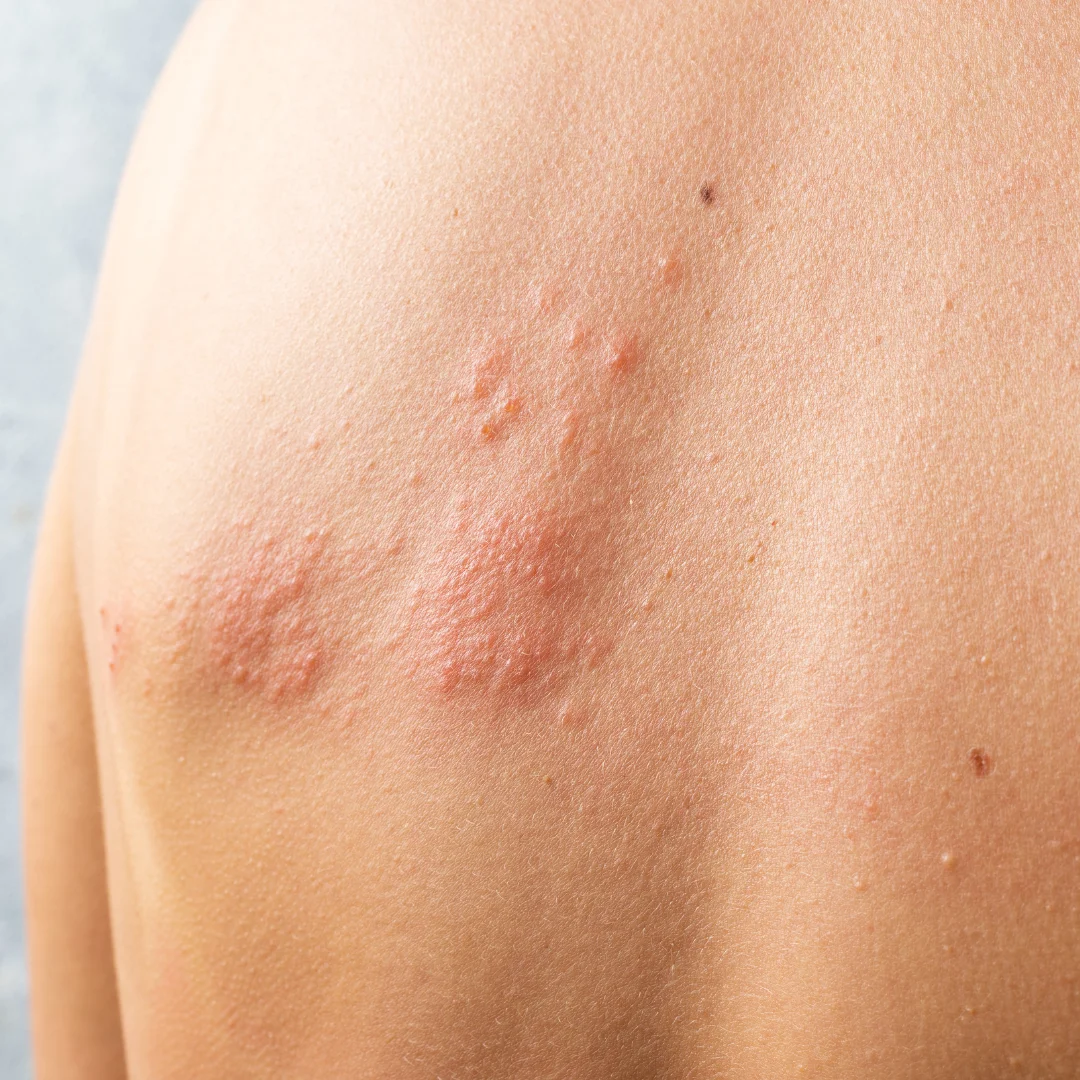
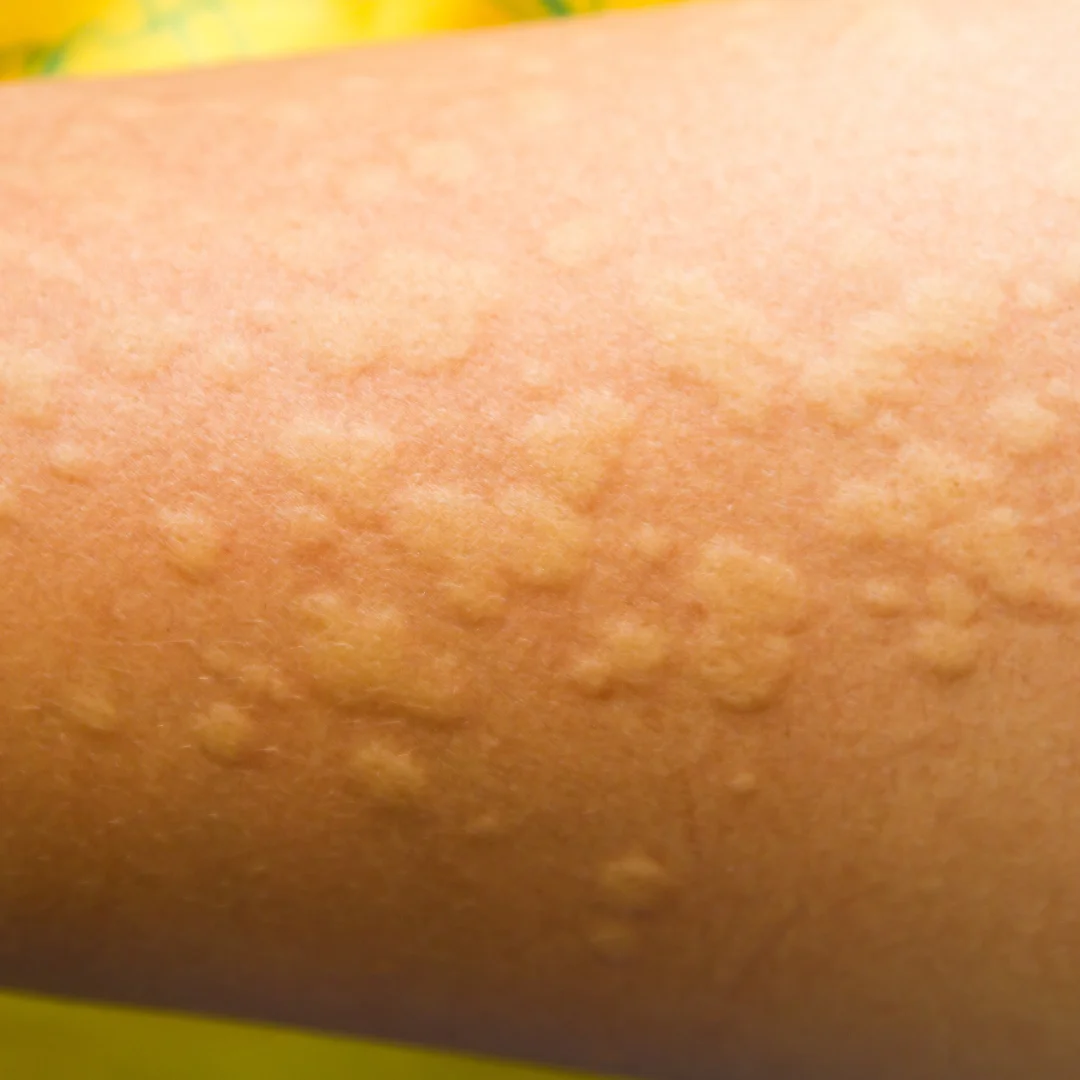
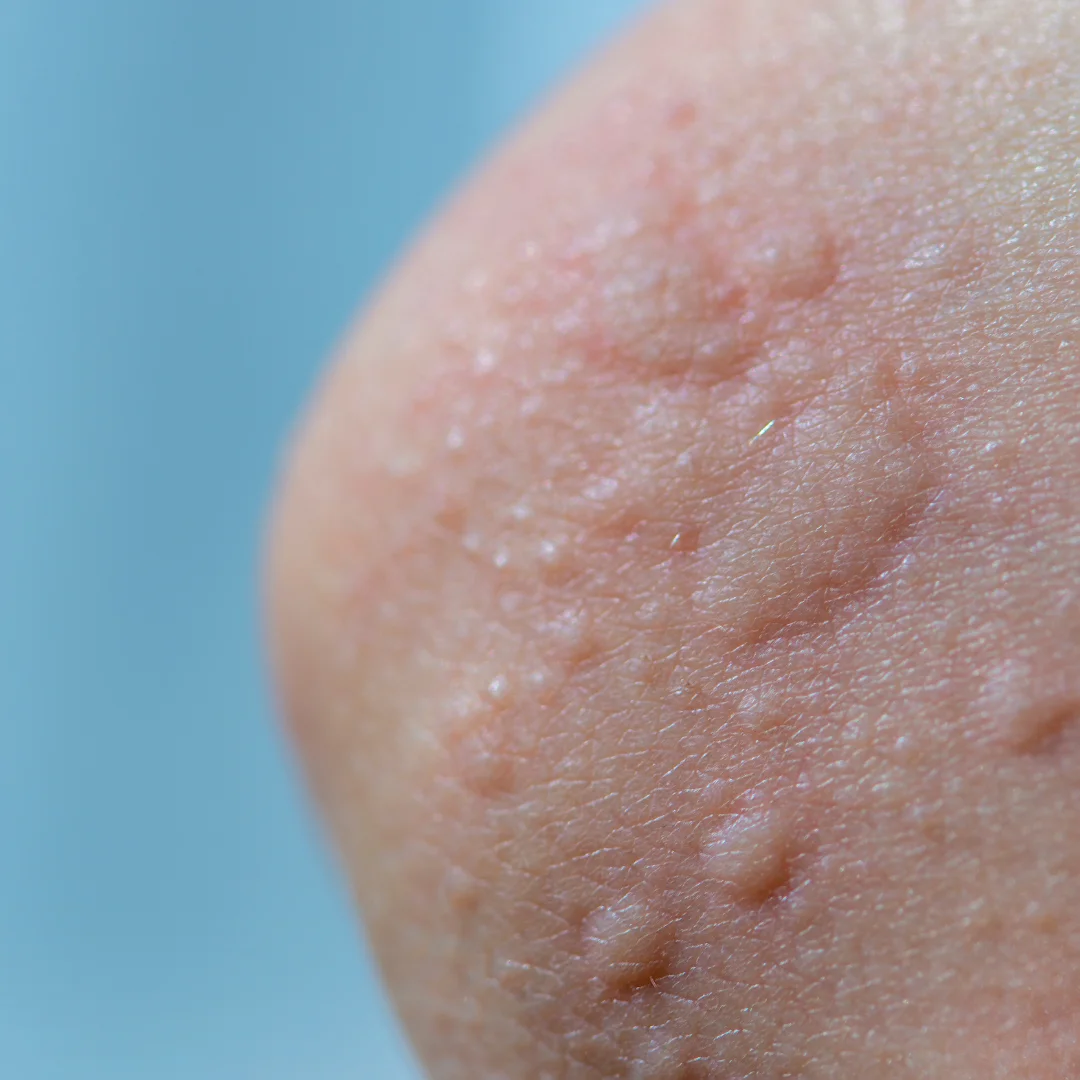
Urticaria, also known as hives, is an immune-driven skin condition characterised by red, itchy welts caused by excessive histamine release, often triggered by allergies, autoimmune reactions, infections, gut imbalances, stress, or certain medications. Treatment includes antihistamines, immunomodulating therapies, and a gut-skin approach that addresses internal imbalances, such as diet and gut health, to reduce flare-ups.
Urticaria
Common Triggers of Urticaria
- Allergies
- Autoimmune reactions
- Infections and gut imbalances
- Stress and environmental factors
- Certain medications
Urticaria
Treatment Options for Urticaria
- Antihistamines and immunomodulating therapies
- Gut-Skin Connection approach: Identifies internal imbalances, such as dietary and gut health issues, that may be triggering urticaria
What causes urticaria?
Common causes of urticaria include allergies, autoimmune response, infections, gut dysbiosis, stress, medications, and environmental factors.
Can I affect urticaria through diet or gut health?
Yes. Poor gut health or food intolerance can re-trigger symptoms. A gut-skin connection approach is often incredibly helpful when managing urticaria in the long term.
How long until I see improvement?
Mild cases may improve within days to weeks with treatment; however, chronic cases may take much longer, depending on the trigger and general state of health.
After I stop treatment, will urticaria return?
Yes, it could return if you don’t address those underlying triggers. The key to long relief is a plan that also manages the root cause of symptoms as well as treatments that address the symptom