

Atopic dermatitis
- Home
- Atopic dermatitis
Atopic dermatitis
Atopic dermatitis
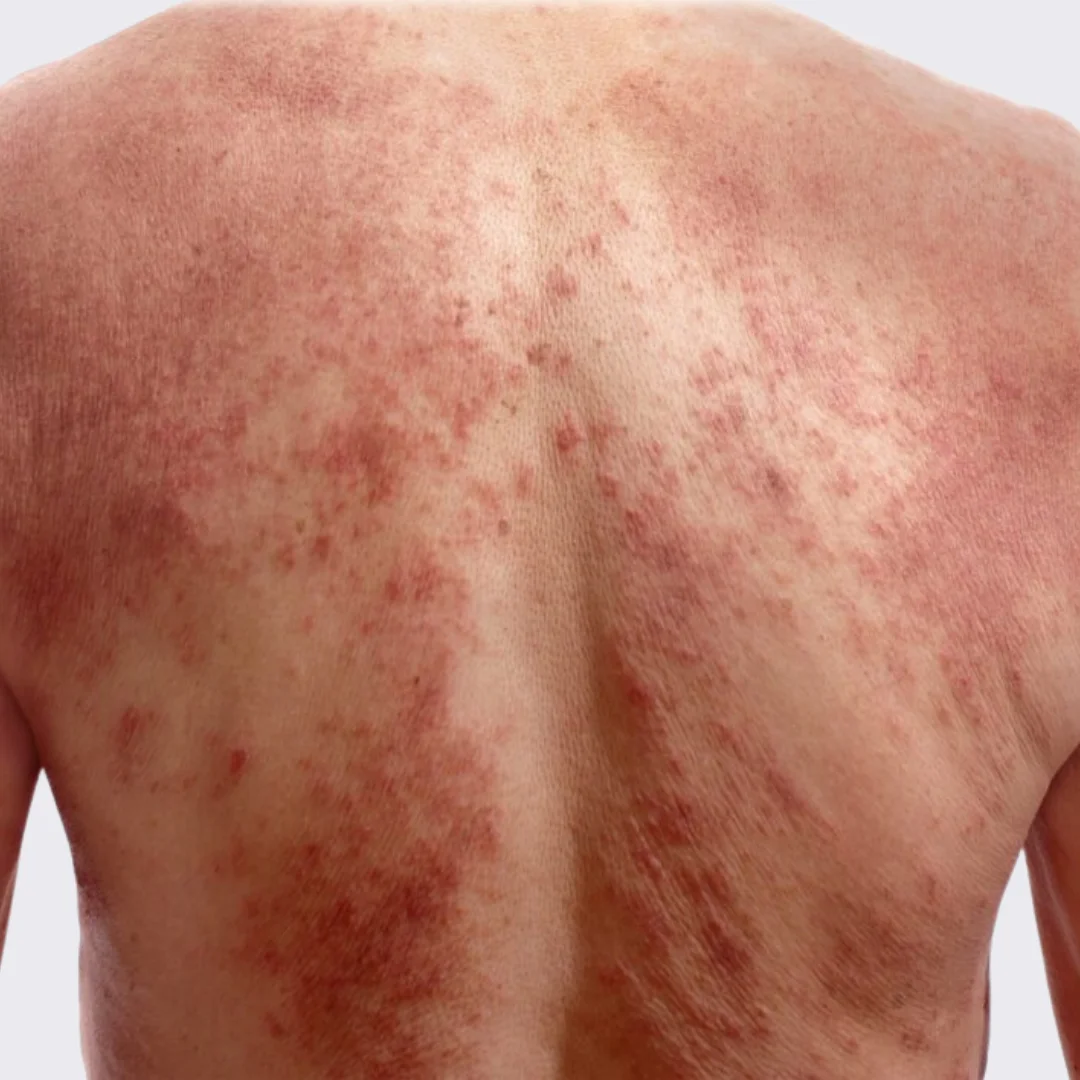
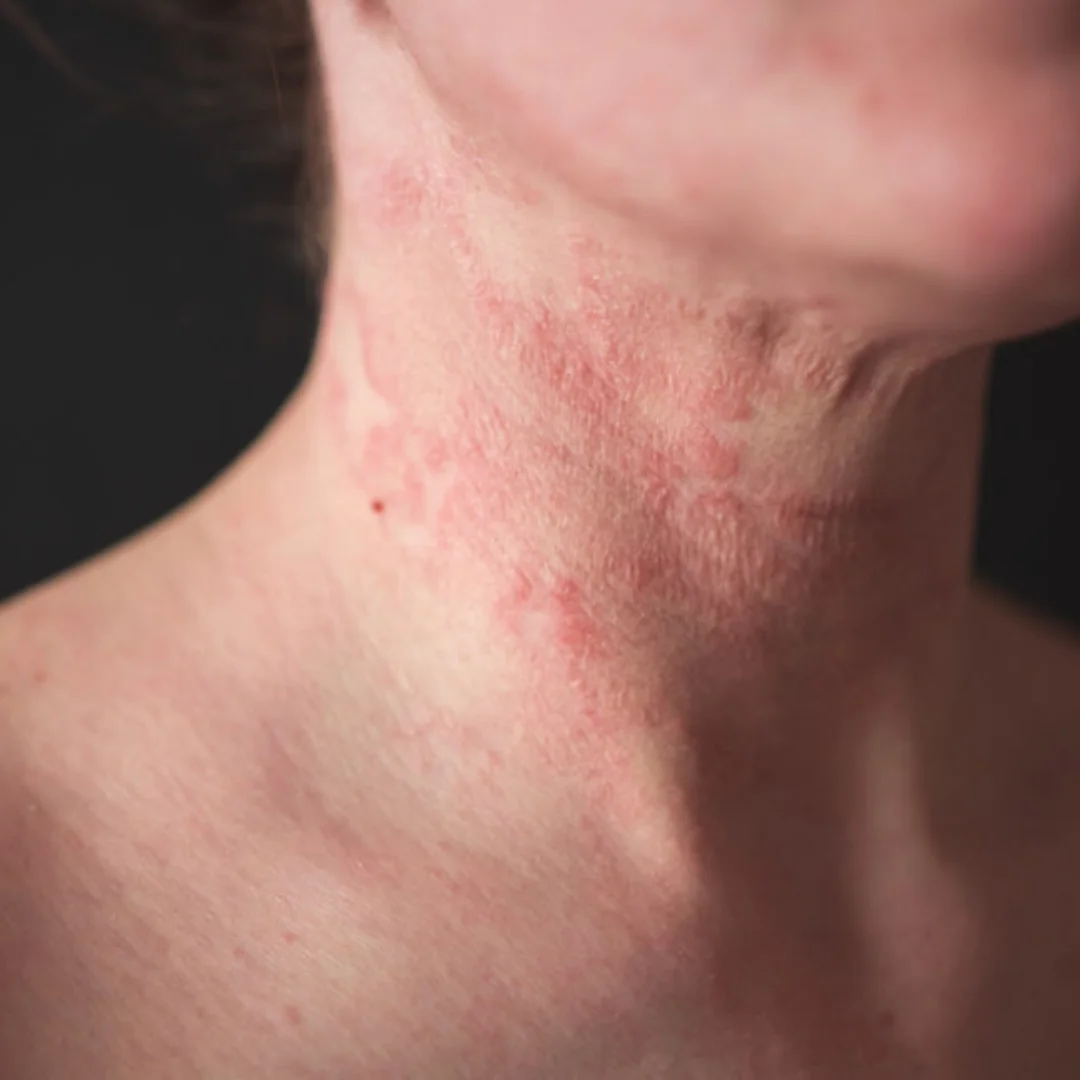
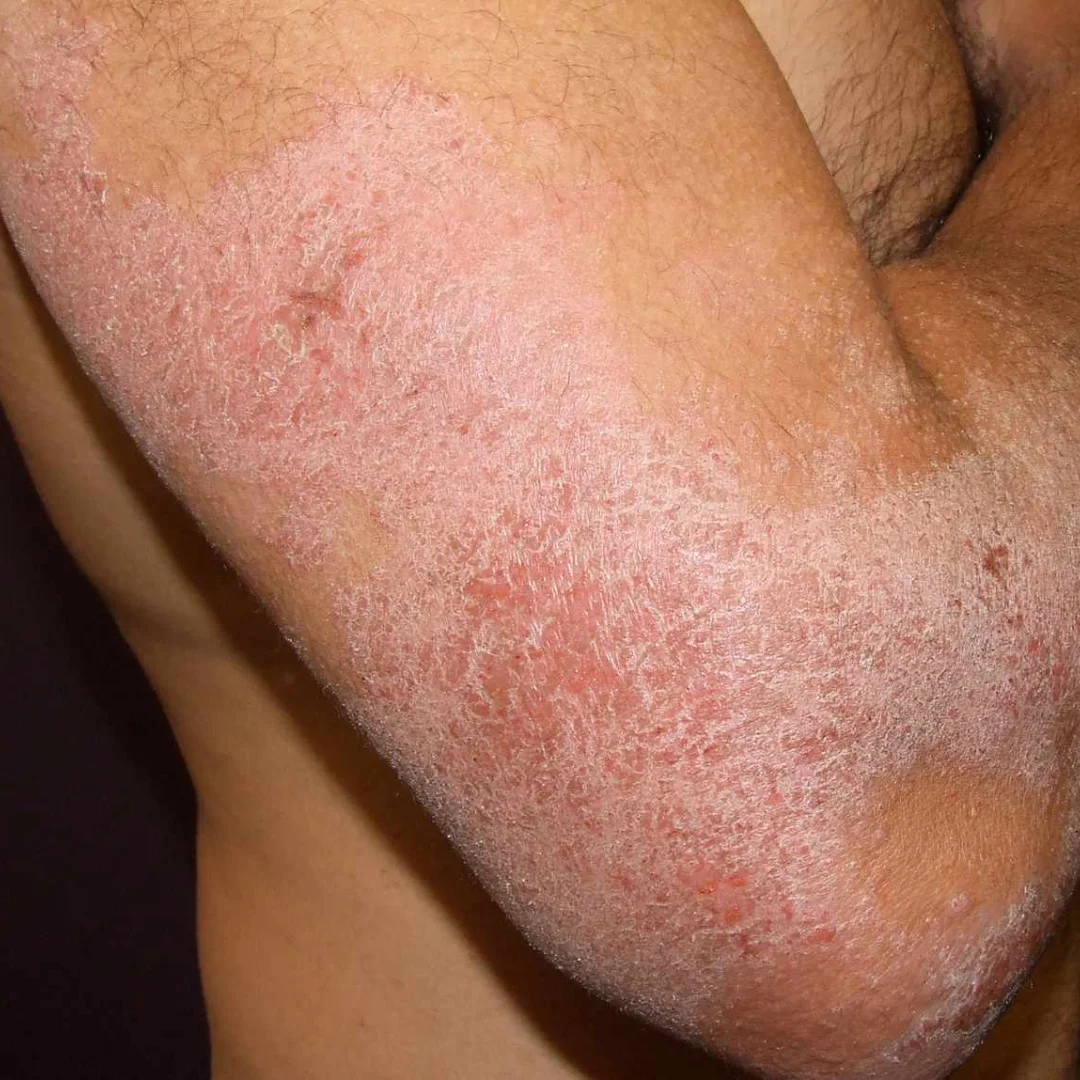
Atopic dermatitis, also referred to as eczema, is a chronic inflammatory skin disease with the following clinical features:
- Dry skin with itch
- Red, inflamed skin
- Flare-ups of eczema
It is caused by a combination of genetic factors, environmental influences, immune dysfunction, dietary factors, or alterations in the microbiome.
The focus of the treatment is:
- Repairing the skin barrier
- Controlling inflammation
- Controlling internal triggers (e.g., diet, gut health)
- Preventing flare-ups
Atopic dermatitis
Factors Affecting Atopic Dermatitis
- Genetics
If there is a family history of eczema, asthma or allergies, the chances of developing atopic dermatitis are increased.
- Skin Barrier Dysfunction: Impaired function of the skin barrier may lead to:
- Loss of moisture
- Entry of irritants, allergens, and microbes
- Dysregulation of the Immune System: Overactive immune function provoking inflammation leading to flare-ups.
Environmental & Lifestyle Factors
- Allergens: Dust mites, pet dander, pollen
- Harsh products: Soaps, fragrances, and the use of inappropriate products
- Environmental extremes: Cold, dry air, or heat
- Stress & Sleep Deprivation
- Dietary Factors: Dairy, gluten, others, processed foods, and food additives
- Dysbiosis of the microbiome (e.g., gut and skin)
Atopic dermatitis
Treatment Options for Atopic Dermatitis
Skincare & Barrier Repair
Moisturisers: Creams containing ceramide, petrolatum-based ointments
Cleansers: Gentle, fragrance-free, appropriate pH
Topical Treatments
- Corticosteroids: Help control inflammation during flare-ups
- Calcineurin inhibitors: Tacrolimus, Pimecrolimus – ideal for sensitive areas like the face and eyelids
Systemic & Advanced Therapies
- Antihistamines: Help reduce itching, but may cause drowsiness
- Biologic Therapy: Dupilumab — effective in moderate-to-severe cases
- Immunosuppressants: Cyclosporine, Methotrexate — used in severe or unresponsive cases
Gut-Skin Connection Approach
Addresses internal root causes such as:
- Dietary intolerances
- Leaky gut or inflammation
- Gut microbiome imbalance
May include:
- Elimination diets
- Probiotics and prebiotics
- Functional testing & tailored nutrition
A dermatologist can help you identify your specific triggers and recommend a personalised combination of skincare, medical treatments, and lifestyle changes tailored to your skin type and the severity of your condition.
FAQS
Frequently Asked Questions
Looking for Atopic dermatitis treatment? Contact us now!
What is atopic dermatitis?
Atopic dermatitis is a chronic skin condition that leads to dryness, itchiness, and irritation often resulting from an overactive immune system.
What are the treatments?
We have topical treatments, oral medications, moisturizers, and more advanced therapies to manage flare-ups and calm the skin.
Are the treatments individualized?
Yes, all treatments are individualized to your age, skin type, severity of condition, and certain triggers.
What causes or triggers atopic dermatitis?
Common triggers include genetics, immune imbalances, allergens, stress, and environmental factors such as weather or irritants.