

Atopic dermatitis treatment for women
- Home
- Atopic dermatitis treatment for women
Atopic dermatitis treatment for women in Calicut
Atopic dermatitis
Atopic dermatitis, a skin disease commonly known as eczema, is caused by:
- Makes the skin dry and very Itchy.
- There will be Redness and swelling
- Intermittent flare-ups
Factors like genetic, environmental changes, and immune-related issues, along with a combination of dietary issues, are the main symptoms.
- The Treatment depends on
- Repairing the skin walls,
- Decreasing swelling,
- Controlling internal issues (diet and gut health),
Preventing future flares
If these symptoms are seen in your body, consult a clinic that provides women eczema treatment services.
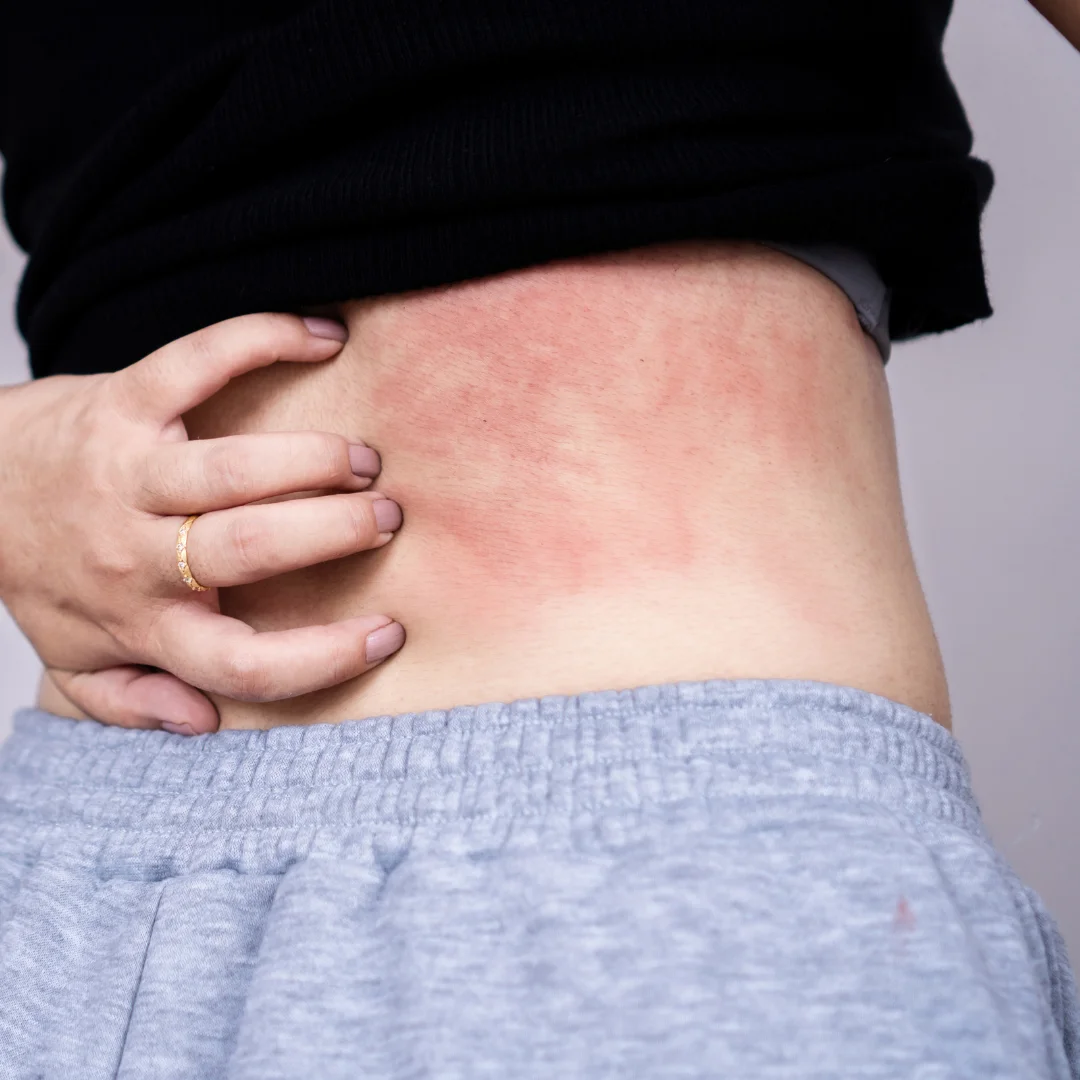
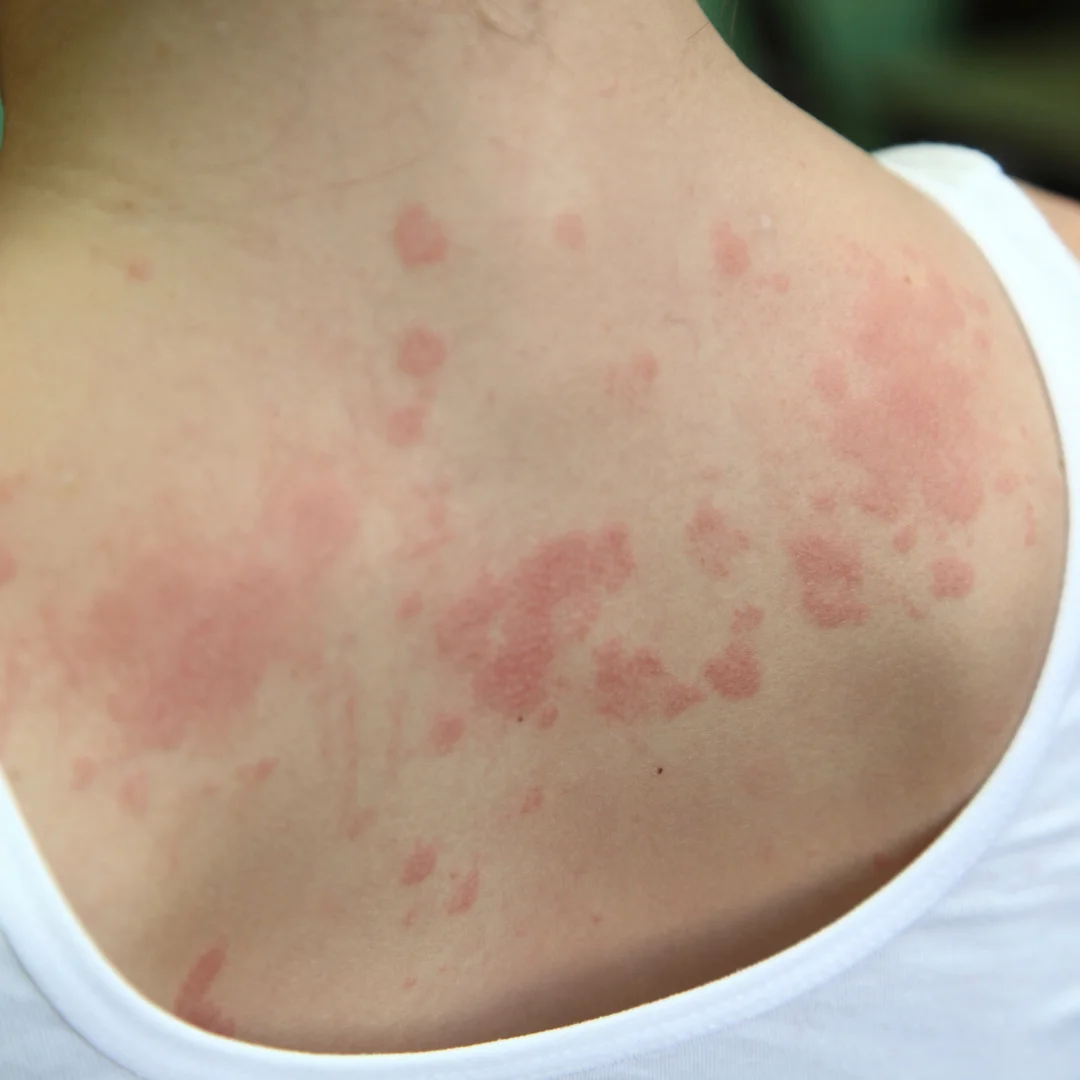
Atopic dermatitis treatment for women
Atopic dermatitis is affected by:
Genetics: if your family has a history of eczema, asthma, or allergies, it increases the risk of atopic dermatitis.
Skin Barrier Dysfunction: A weak skin barrier can lead to
- loss of moisture
- Entry of many allergens and irritants
Immune System Dysregulation: An overactive immune system can result causing autoimmune diseases.
Environmental conditions and daily habits
- Allergens: Dust, fungal spores and pollens
- Harsh products: Soaps and fragrances, and
- Climate: cold, dry air, or too much heat
- Climate: extreme cold, dry air, or extreme heat
- Stress & Sleep Deprivation
- Diet triggers: dairy, gluten, and processed foods.
When you take consultation for atopic dermatitis treatment for women in Calicut, here are the way in which treatment is done:
Atopic dermatitis treatment for women
Treatment Options for Atopic Dermatitis
Skincare & Barrier Repair
- Moisturisers: creams containing ceramides, ointments with petrolatum
- Cleansers: Use non-soap, fragrance-free cleansers.
Topical Treatments
- Corticosteroids: used to assist in controlling inflammation during flares
- Calcineurin inhibitors: tacrolimus, pimecrolimus recommended for sensitive areas, like the face and eyelids
Systemic & Advanced Therapies
- Antihistamines: can help reduce itch, however can also cause sleepiness
- Biologic Therapy: Dupilumab can be useful for moderate-to-severe.
- Immunomodulators: cyclosporine, methotrexate – used in severe or refractory
Gut-Skin Connection Approach
Eye’s the internal root causes, such as:
- Dietary intolerances
- Leaky gut or inflammation
- Gut microbiome imbalance
May include:
- Elimination-based nutrition plans
- Probiotics and prebiotics
- Functional testing & individualised nutrition
A dermatologist can help you identify your triggers and recommend a personalised combination of skincare, medical treatment and/or changes in your lifestyle depending on your skin type and severity of disease.
FAQS
Frequently Asked Questions
Looking for atopic dermatitis treatment? Contact us now!
What causes atopic dermatitis?
Atopic dermatitis, also known as eczema, is mainly caused by a combination of genetics, immune system response, and skin barrier weakness. In women who are prone to it, the skin loses moisture more easily, making it dry and sensitive.
This allows irritants, allergens, and bacteria to enter the skin and trigger inflammation. Environmental factors like harsh weather, chemicals in skincare products, allergens, stress, and diet can also act as triggers that make the condition worse.
What are typical symptoms of atopic dermatitis in women?
Common symptoms include:
- Persistent dryness and rough patches on the skin
- Itching that may become severe, especially at night
- Redness and inflammation during flare-ups
- Rashes on areas such as face, neck, elbows, behind the knees, and hands
- Thickened or cracked skin after repeated scratching
- Sometimes small bumps or oozing patches during active flare-ups
The severity can vary from mild dryness to more serious rashes and discomfort that interfere with daily life.
How is atopic dermatitis treated?
Treatment focuses on controlling flare-ups, soothing the skin, and preventing recurrence. At Prettiv Aesthenics, the approach is personalized and may include:
- Moisturizing and barrier repair with medical-grade creams to lock in hydration
- Topical treatments like corticosteroids or calcineurin inhibitors to reduce inflammation and itching
- Systemic medications or biologics (for severe cases) to calm the immune system
- Lifestyle and diet guidance to reduce triggers linked to allergies, gut health, or stress
- Gentle skincare routines to avoid irritation from harsh soaps, perfumes, or chemicals
Will the condition stay permanently or can it be cured?
Atopic dermatitis is a chronic condition, which means it does not have a permanent cure. However, with the right treatment and lifestyle management, symptoms can be controlled effectively.
Many women experience long periods without flare-ups when they follow a personalized care plan. The goal of treatment is to reduce flare-ups, keep the skin healthy, and improve overall quality of life.