

Stem cell therapy for hairloss
- Home
- Stem cell therapy for hairloss
Stem cell therapy for hairloss
Stem cell therapy for hairloss
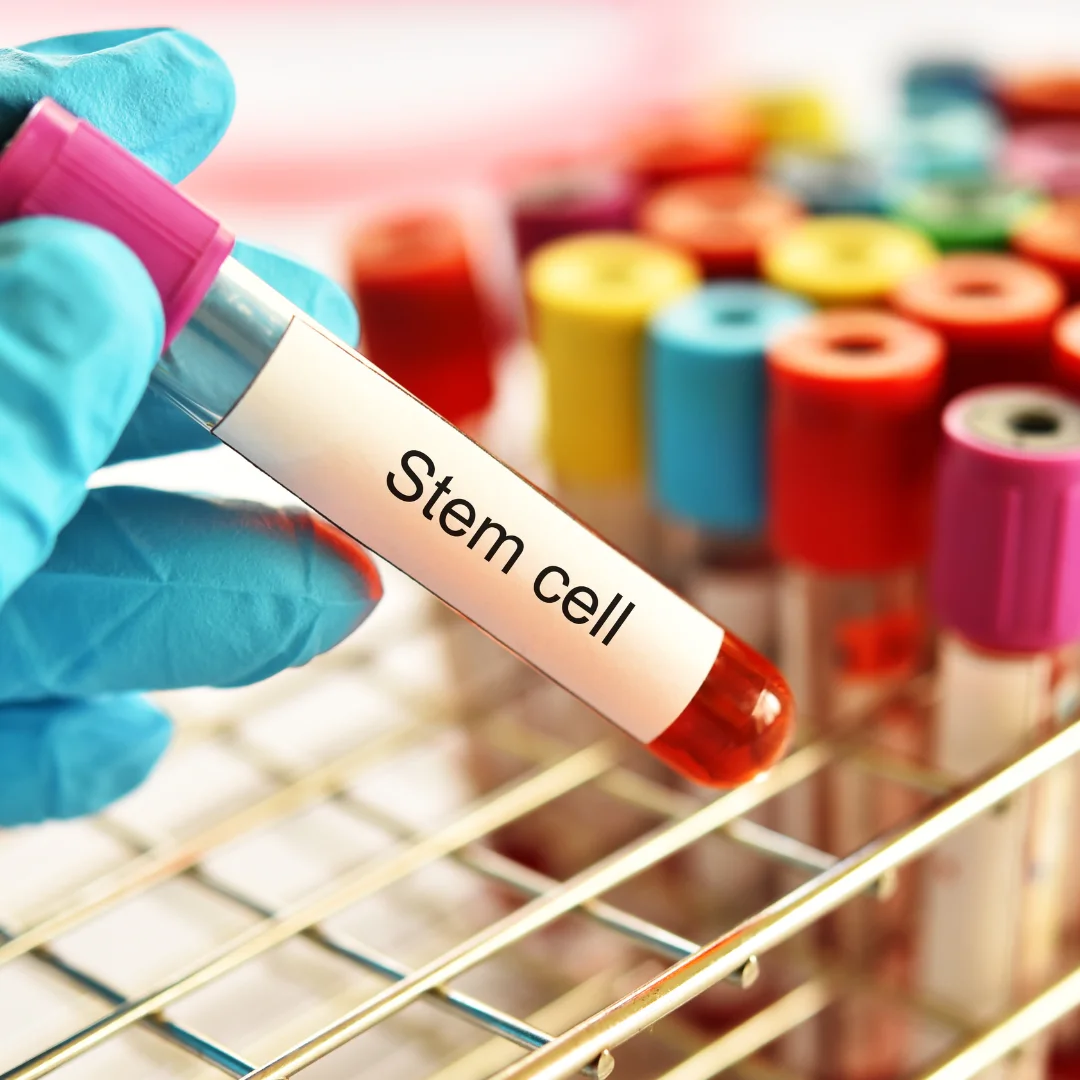
Stem cell therapy activates dormant hair follicles, stimulating natural growth and thickening existing strands. Exosome therapy, derived from stem cell extracts, enhances this process by delivering potent growth signals to hair follicles, promoting stronger, healthier hair and improved density.
A breakthrough regenerative treatment for hair restoration uses stem cell-rich components derived from your own body to awaken dormant hair follicles and promote natural hair growth. This therapy improves scalp health, enhances hair density, and offers long-lasting results without the need for synthetic drugs.

Stem cell therapy for hairloss
How Exosomes Work for the Hair
- Hair follicle activation: Exosomes deliver growth factors directly to hair follicles, stimulating them to enter the growth phase
- Thicker, stronger hair: Exosomes help produce thicker, fuller hair by regenerating dormant follicles
- Regeneration: Exosomes repair damaged follicles, reversing hair thinning and boosting overall hair health
- They are non-invasive, with quick recovery times
FAQS
Frequently Asked Questions
Looking for Stem cell therapy treatment? Contact us now!
What is Stem Cell Therapy for Hair Loss?
Stem cell therapy is a regenerative treatment that leverages components derived from stem cells and exosomes to activate dormant hair follicles, enhance scalp health, and support natural hair growth.
How does the treatment work?
The treatment introduces growth factors derived from stem cells and exosomes to the scalp to activate hair follicles, reinforce existing hair and spur new hair follicles to grow.
How long until I see results?
Most patients will start to see improvement in hair density and thickness within 3–6 months, with continued improvement occurring over time.
Will there be side effects?
Side effects are minimal because it uses regenerative cells from your own body. As with any intradermal injection, there can be mild redness, swelling, or tenderness at the injection site, but this typically resolves quickly.